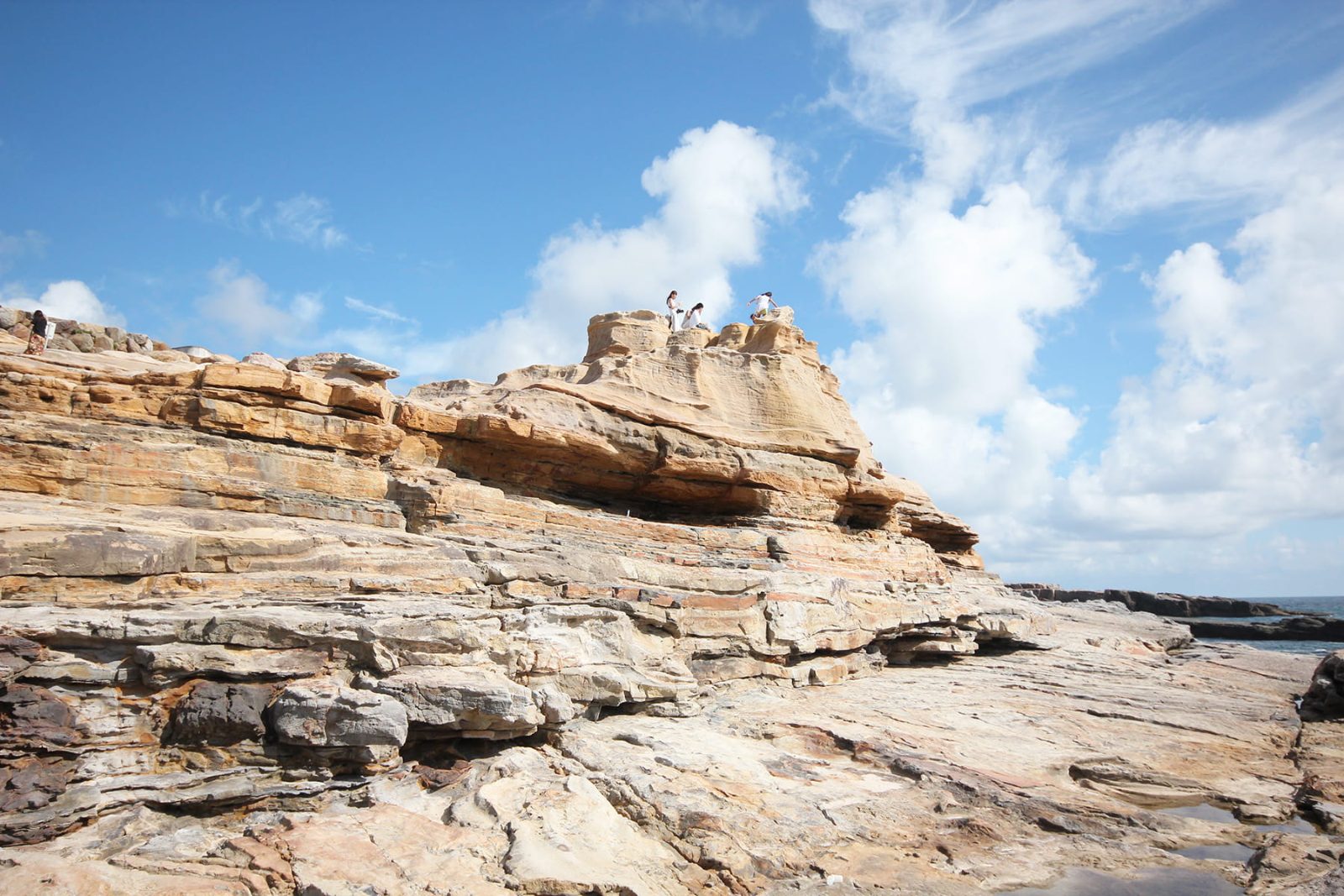
Senjojiki Plateau
10 min drive
This highland area offers expansive views of the Sea of Japan and complements the shrine's coastal theme with its open grassy landscape.

Motonosumi Shrine sits on a remote stretch of Yamaguchi's northern coast, seven kilometers from the nearest train station and far from major transit hubs. Reaching the clifftop requires advance planning—whether you choose the infrequent local bus, a rental car along coastal roads, or a taxi from Nagato. This guide maps the practical routes to the shrine and the decisions each option demands.
Quick answer
Motonosumi Shrine how to get there involves either driving along Route 191 to dedicated parking at the site, or taking the Bonden-sen bus from JR Nagato-Furuichi Station—a 40-minute ride with limited daily departures. The shrine has no direct rail access; visitors arriving by train must transfer to bus or taxi at Nagato-Furuichi or rent a car in Nagato. Plan your return journey carefully, as the last bus typically departs mid-afternoon.
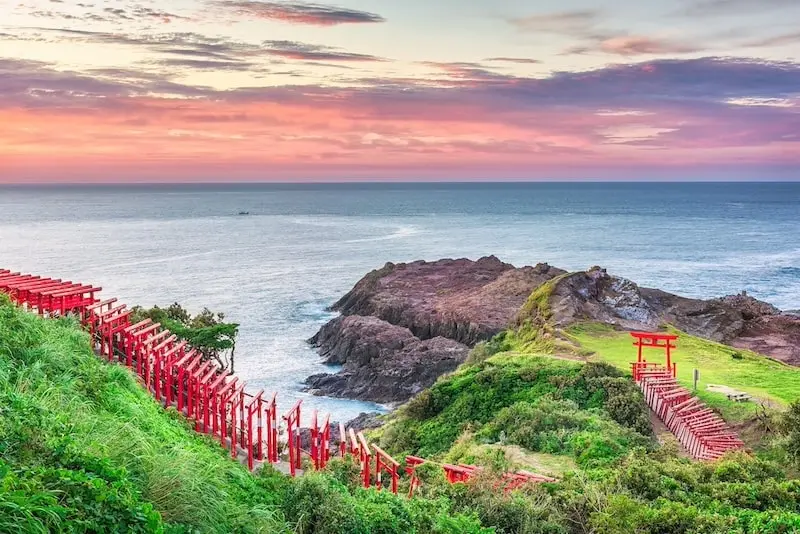
The 123 vermilion torii gates descend toward the Sea of Japan across a headland with no neighboring villages, no through-traffic, and no rail line. Motonosumi Shrine occupies one of the least accessible stretches of Yamaguchi's San'in Coast, a geographic isolation that shapes every approach. The nearest station, JR Nagato-Furuichi, lies seven kilometers inland; the nearest city with car rental offices, Nagato, sits twelve kilometers south. The road that reaches the shrine, Prefectural Route 191, hugs the coastline in a series of curves with steep drops and narrow lanes where two cars pass cautiously. Public transport depends entirely on a single bus route, the Bonden-sen line operated by Sanden Kotsu. Departures number four or five per day in each direction, clustered around mid-morning and early afternoon, with the final return typically leaving the shrine before 15:00. The timetable shifts seasonally and occasionally cancels runs without advance notice, particularly in winter. Travelers relying on the bus must arrive at Nagato-Furuichi Station with a printed timetable or confirmed schedule, then calculate their visit duration to catch the return—missing it leaves taxi as the sole option, and taxis in rural Yamaguchi do not wait at remote sites. Driving offers the greatest scheduling control. The route from Nagato follows Route 191 north, a coastal highway that alternates between open straights and tight bends, with the Pacific horizon visible through breaks in the cliffs. The shrine maintains a paved parking area at the base of the torii path, free of charge and sized for roughly forty vehicles. On weekends and during cherry blossom or autumn foliage windows, the lot fills by late morning, forcing overflow parking along the roadside. Navigation systems recognize the shrine's Japanese name—元乃隅神社—and the address 498 Yuyatsuo reliably directs to the correct turnoff. Visitors arriving from Fukuoka or Hiroshima typically rent a car for the journey, as intercity buses do not serve the shrine's access road. Taxi fare from Nagato-Furuichi Station to the shrine runs approximately 3,000 yen one way, with the return requiring a phone booking since taxis do not queue at the site. Some hotels in Nagato arrange shuttle transport during peak seasons, bundling shrine access with stays. Bicycle rental exists in Nagato city, but the coastal route's hills and seven-kilometer distance deter all but the most determined cyclists.
“The 123 vermilion torii gates descend toward the Sea of Japan across a headland with no neighboring villages, no through-traffic, and no rail line.”
Motonosumi Shrine is located in a remote area of Nagato, Yamaguchi, making a private vehicle the most practical method of transport. Public transit options are extremely limited and require secondary arrangements to complete the journey.
Yamaguchi Prefecture Road Route 66 from Nagato city center
From JR Nagato-Furuichi Station
Local community bus from Nagato-Furuichi Station (infrequent service)
Driving allows for direct access to the dedicated parking area at 498 Yuyatsuo, Nagato, Yamaguchi 759-4712, Japan. If relying on train travel, coordinate a taxi in advance from the nearest station, as public bus connections are not reliable for return trips.
The best arrival window is 09:30–16:00 to avoid heavy traffic on local roads and maximize exploration time. Arriving early in the day is recommended to explore the site before the 16:30 closing.
—
Visiting on weekdays helps avoid peak weekend traffic on local roads. Arrivals between 09:30 and 11:00 offer the quietest experience.
Mild, 15°C–22°C
Clearer skies and comfortable temperatures draw more visitors. Arrive by 09:30 to secure parking before crowds increase.
Cool, 12°C–20°C
Autumn foliage provides a backdrop, increasing visitor volume. Mid-week visits during these months remain the most manageable for travel.
Verdict: Tuesday to Thursday, arriving at 09:30, during April or October offers the optimal balance of lower traffic and temperate weather.
Motonosumi Shrine is open to the public without any required entry fees. Visitors can access the grounds and the torii gate path at no cost.
Verdict: A typical adult pays 0 JPY for entry, as there are no admission fees or ticket tiers at the shrine.
Since Nagato is a remote destination, pairing your visit to the shrine with nearby coastal landmarks allows you to maximize your time in Yamaguchi Prefecture. These locations are best reached by car or taxi, providing a cohesive look at the region's natural geography.
10 min drive
This highland area offers expansive views of the Sea of Japan and complements the shrine's coastal theme with its open grassy landscape.
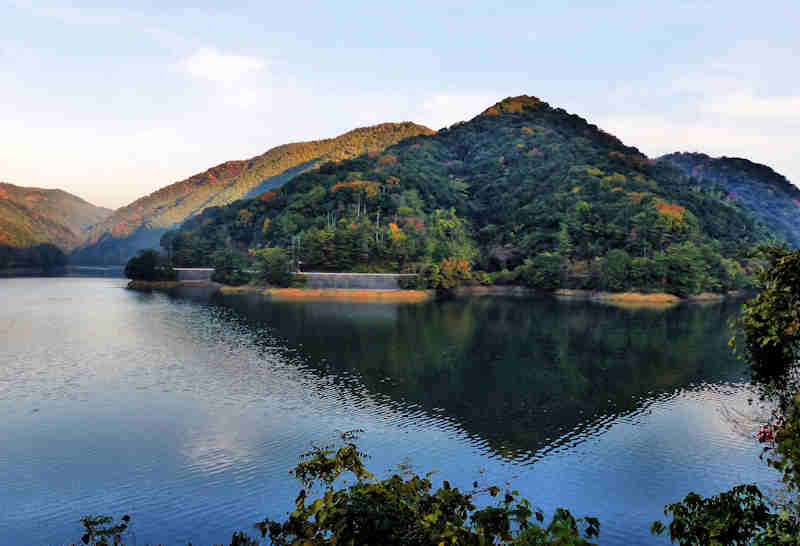
15 min drive
A calm reservoir setting that provides a peaceful contrast to the cliffside scenery of the shrine.
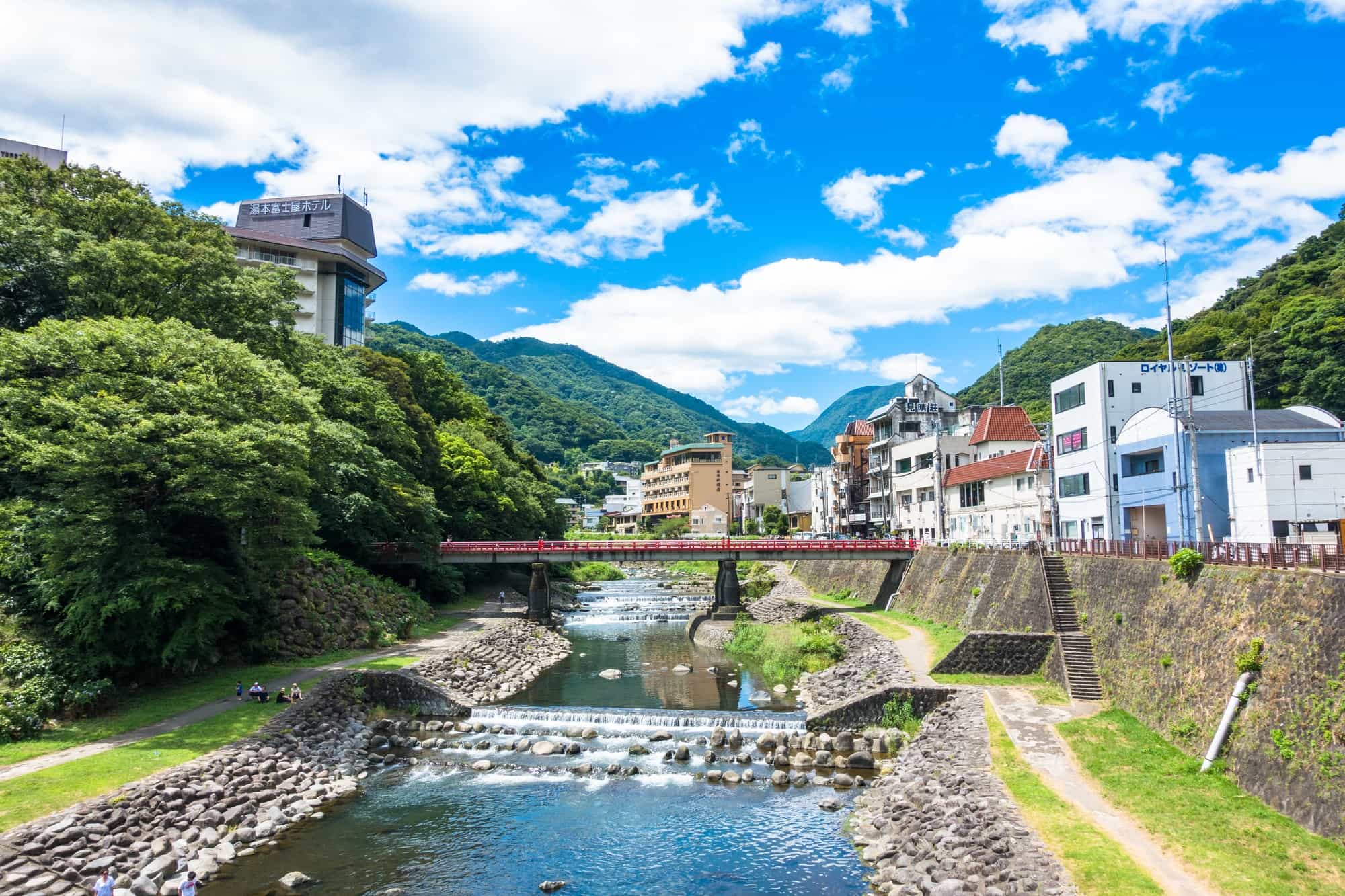
25 min drive
One of the oldest hot spring towns in the region, ideal for relaxing after the journey to the shrine.
Everything you need to know about motonosumi shrine how to get there
Reaching this remote site via public transport is challenging as there are no direct train stations nearby. Visitors typically rely on taxis from Nagato-Furuichi Station or arrange private transfers to complete the final leg of the journey.
Yes, there is a dedicated parking area for those planning their own route to the attraction. Driving is often the most flexible method for those trying to figure out motonosumi shrine how to get there in a single day.
The recommended arrival window is 09:30–16:00 to avoid large crowds. Arriving early ensures you have sufficient time to walk through the iconic red torii gates before the site closes at 16:30.
While the shrine is a destination for sightseeing, it is not within walking distance of public transit hubs. Once you arrive at the site, you can explore the coastal paths and the vermilion gate tunnel on foot.
Entrance to the shrine grounds is 0 JPY. As a public site, there is no cost to access the walking path or the prayer area.
Driving offers the most convenience due to the rural location of the coastal gates. Public transit requires careful planning, so many visitors prefer regional tours or rental cars to simplify the process of navigating to this Yamaguchi site.