
9 hr
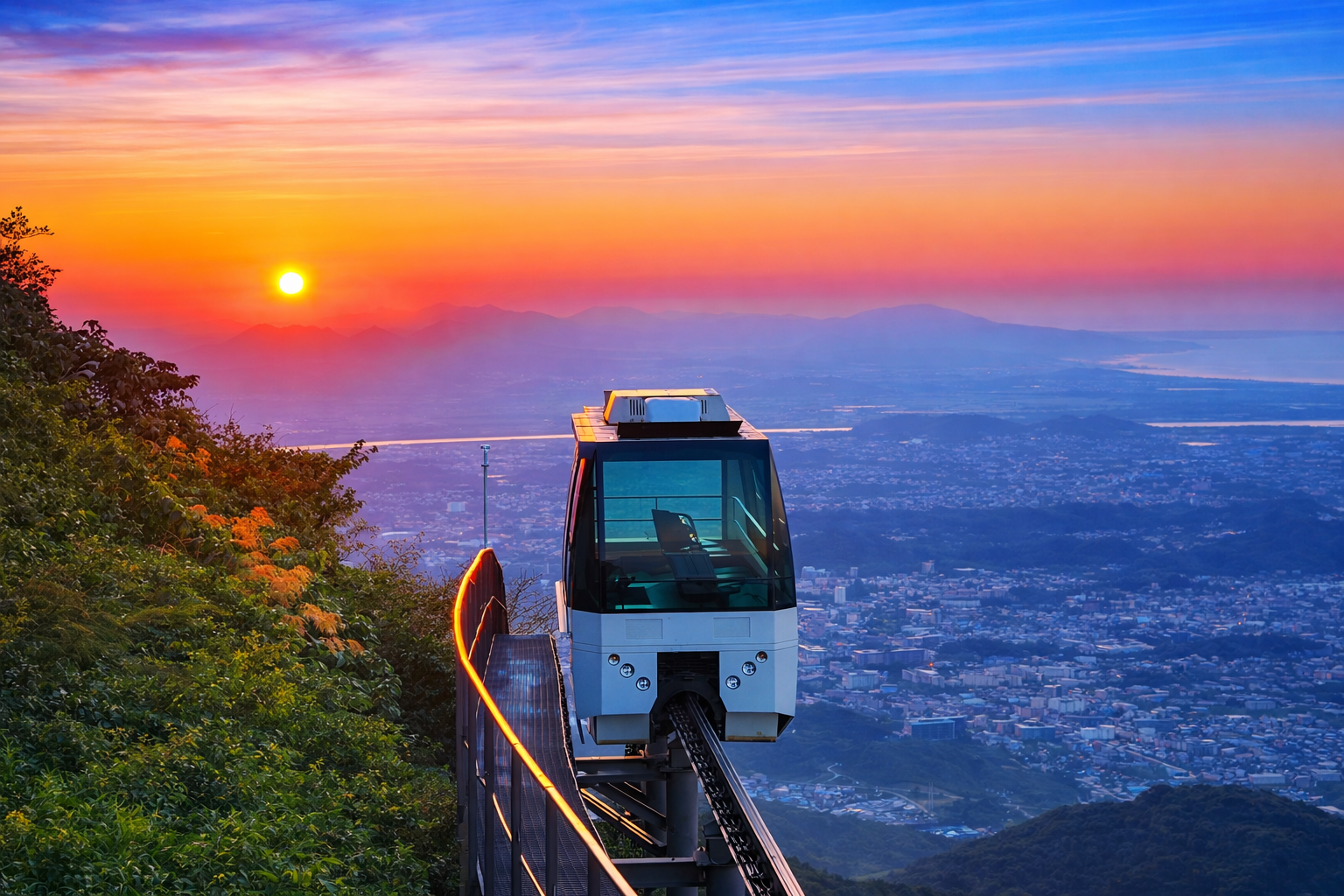
North Kyushu Coastal Journey: Shrines, Straits & Night Panoramas
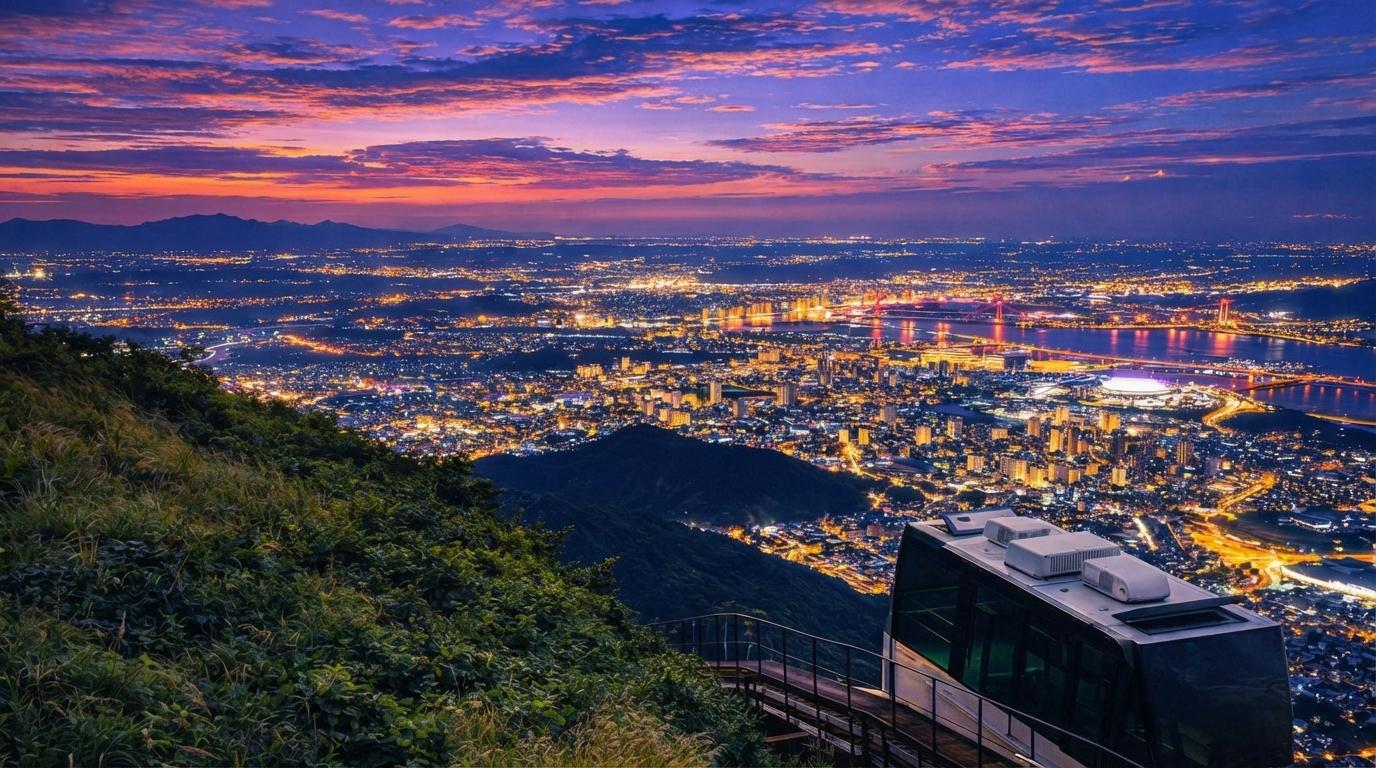
Full-day exploration of clifftop torii gates, seaside markets, and Kitakyushu's glittering million-dollar vista
Reserve
Hand-picked by our editors — only the best 5 day tours from 47 reviewed.
Verified partners for every tour, free cancellation where available, and instant confirmation on every booking.
9 hr
Full-day exploration of clifftop torii gates, seaside markets, and Kitakyushu's glittering million-dollar vista
Reserve
10 hr
Discover northern Kyushu's natural wonders: explore a vast underground limestone cavern, walk through crimson torii gates by the sea, and cross a stunning coastal bridge.
Reserve
9 hr 30 min
Journey from Fukuoka to crimson torii gates by the sea, retro harbor towns, and a million-dollar panorama after dark
ReservePrices from verified partners. Availability updates in real time at checkout. Free cancellation policies apply where shown.
The landmarks, rooms, and views travelers on this tour remember — all visible on a single visit.
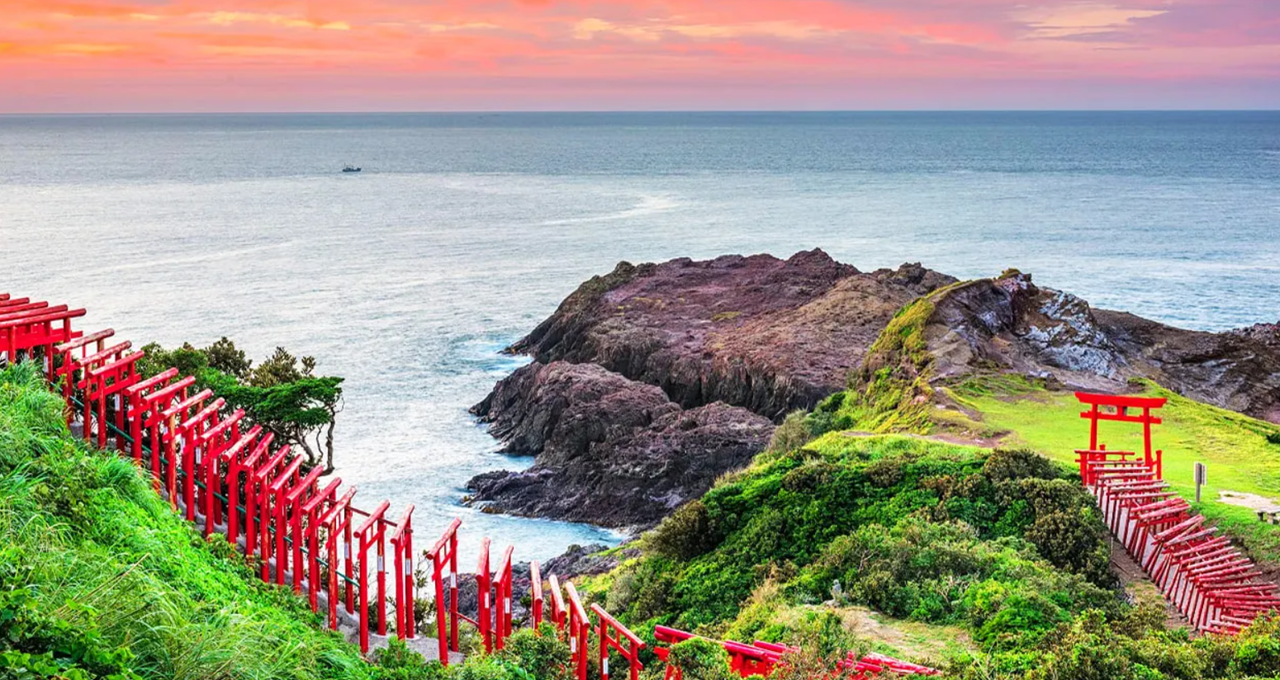
123 red gates winding down a steep cliff toward the sea.
They complement each other, though most visitors find the coastal cliffside views of the shrine more exhilarating than the subterranean limestone exploration of the cave. Travelers often book Motonosumi shrine day trip tours to secure transportation to these remote Yamaguchi landmarks.
| Feature | Top pick Motonosumi Shrine | Akiyoshido Cave |
|---|---|---|
Experience Type |
Coastal shrine pathway | Limestone cavern exploration |
Physical Exertion |
Moderate (sloped terrain) | Moderate (flat walking paths) |
Indoor vs Outdoor |
Open-air | Subterranean cave |
Visual Focus |
Red torii gates and sea | Stalactites and underground streams |
Typical Time Spent |
1–1.5 hours | 1.5–2 hours |
| See tickets → |
Verdict: Select the shrine for vibrant outdoor photography or the cave for a cool, geological retreat when finalizing your motonosumi shrine day trip tickets or individual itinerary.
Choose your ticket, select your date, and reserve in under two minutes. Secure checkout handled by our verified partner.
Instant confirmation by email, with a mobile voucher you can save offline. No printing, no queuing at a collection desk.
Arrive at the entrance, show your voucher on your phone, and walk in. Most tickets include priority or skip-the-line access.
Practical details for your visit straight from our verified partners — hours, access, rules, and how to get there.
498 Yuyatsuo, Nagato
Main entrance parking area
Follow signs to the Nagato coastline; parking is available on-site.
Hire a taxi from Nagato-Furuichi Station for direct access.
Casual, comfortable walking attire is recommended for the motonosumi shrine day trip. Sturdy shoes are essential for navigating the steep, uneven steps of the torii gate tunnel.
There are no locker facilities at the shrine, so travel light. Large luggage should be left in your vehicle or at your accommodation before starting your motonosumi shrine day trip.
Photography is permitted during daylight hours, but night photography is strictly prohibited. Capture the striking contrast of the red gates and blue sea during the early morning for the best light.
The terrain is rugged and steep, making it challenging for those with mobility issues. A motonosumi shrine day trip involves walking on natural inclines and stone stairs.
Mobile signal can be inconsistent due to the remote coastal location. Keep your phone charged for navigation and capturing photos during your motonosumi shrine day trip.
The site is open to all ages, though small children may require assistance on the stairs. Ensure your motonosumi shrine day trip group stays together on the cliffside paths.
There are no dining facilities on the shrine grounds. Plan for your motonosumi shrine day trip by bringing water and visiting nearby roadside stations like Senzakitchen.
Pets are generally not recommended due to the narrow, crowded pathways and steep stairs. Always keep your pet on a short leash if brought along.
The shrine is a sacred space; please maintain a respectful volume. A motonosumi shrine day trip requires planning for limited public transport; car rental is highly recommended.
Best time to go, insider tips, nearby landmarks, and the cancellation fine print — flip through to skim what matters to you.
How crowds, weather, and events shift across the year.
Mild temperatures; ideal for walking the torii path without excessive heat.
Comfortable weather and beautiful foliage contrast with the red gates.
Rough, dramatic waves at the Ryugu no Shiofuki blowhole are frequent.
Brightest coastal colors, though high humidity requires early starts.
Small details that turn a good visit into a great one.
Arrive by 09:30 to secure parking and experience the site before crowds peak.
Morning light highlights the vermilion color of the torii gates against the blue sea.
Wear flat, sturdy shoes for the steep decline down the cliffside.
Book motonosumi shrine day trip tours to simplify logistics in this remote area.
Follow the designated flow of traffic through the torii gates for safety.
Monitor local traffic reports if visiting during weekends or holidays.
Non-bookable sights within a short walk — free to visit, easy to pair.
Natural geyser where seawater sprays through rock crevices during high waves.
Flexible, no hidden fees.
As entry is free, there are no cancellation fees for general visitation. Third-party motonosumi shrine day trip tours may have independent refund policies.
Hand-picked options within walking distance — pick a district for vibe, or a specific hotel for convenience.
Historic hot spring district with traditional ryokan.
One hundred twenty-three vermilion torii gates descend a windswept hillside in northern Yamaguchi, terminating at a clifftop where the Sea of Japan crashes against volcanic rock. Motonosumi Inari Shrine was founded in 1955 after a local fisherman reported a vision instructing him to enshrine the spirit of Inari. Within two decades the shrine had become a pilgrimage site for fishermen seeking safe passage and merchants praying for prosperity. The torii tunnel—funded by individual donations over fifty years—was completed in phases, each gate inscribed with the benefactor's name and wish. In 2015 a national broadcaster named Motonosumi one of Japan's most photogenic shrines, and international visitation increased sevenfold within eighteen months. The shrine's location on the Nagato coastline places it within the larger cultural geography of northern Kyushu and southwestern Honshu, a region defined by maritime trade, volcanic topography, and syncretic religious practice. Unlike the forested Inari shrines of Kyoto, Motonosumi stands exposed to salt wind and open sky. The architecture is minimal: a modest honden at the clifftop, a single offering box mounted five meters above ground level—a design intended to test a supplicant's resolve—and the torii corridor itself, which functions as both processional path and structural landmark. The vermilion lacquer is reapplied annually before the autumn festival season, a maintenance cycle that employs local contractors and preserves traditional pigment formulation. Today a motonosumi shrine day trip typically originates in Fukuoka, two and a half hours northeast by chartered coach. Most itineraries pair the shrine with Akiyoshido Cave, Japan's largest limestone cavern, or extend southward to Mojiko Retro District and the night view from Mount Sarakura. The shrine itself charges no admission and maintains no ticketing infrastructure. Visitor flow peaks between ten and fourteen hundred hours, particularly during cherry blossom weeks in late March and the autumn color window from mid-November through early December. The access road was widened in 2017 to accommodate tour buses, and a gravel parking area now holds thirty vehicles. Morning arrivals between seven and nine-thirty encounter lighter crowds and softer coastal light. The shrine's endurance as a photographic subject rests not on architectural innovation but on the disciplined repetition of a single element—the torii gate—deployed across uneven terrain until the geometry itself becomes the destination.
"One hundred twenty-three vermilion torii gates descend a windswept hillside in northern Yamaguchi, terminating at a clifftop where the Sea of Japan crashes against volcanic rock."
A step-by-step walkthrough of the visit — what you'll see, how long each stage takes, and the details that matter.
You arrive mid-morning after a coastal drive through Nagato, the Sea of Japan visible in flashes between low hills. The parking area is gravel, unmarked except for a wooden signboard indicating the trailhead. You walk uphill toward the first torii gate, vermilion lacquer bright against gray sky and green grass. The path is paved but narrow, wide enough for single-file passage when other visitors descend. You count gates as you climb—twenty, forty, sixty—each frame repeating the composition of sea, rock, and horizon. At the seventy-third gate the incline steepens and the torii corridor bends left, following the ridgeline. You pause to photograph the serpentine descent, the vermilion posts stacked in perspective until they compress into a single ribbon of color. The wind picks up as you approach the clifftop honden. You attempt the offering toss—a five-yen coin aimed at a wooden box mounted on a beam five meters overhead—and miss. Three other visitors succeed on their second tries. You descend through the torii tunnel more slowly than you climbed, stopping twice to let uphill groups pass. At the base you purchase an omamori charm from a small unmanned stand, payment by coin drop. The drive back to the coach takes four minutes. By noon you are en route to Akiyoshido Cave, the motonosumi shrine day trip's second landmark, twenty-eight kilometers inland.
Motonosumi Shrine is open daily from 07:00–16:30. Ensure you plan your motonosumi shrine day trip to depart by the closing time.
Entry to Motonosumi Shrine is 0 JPY. There is no entrance fee for visitors.
Parking at Motonosumi Shrine costs 300 JPY for the first hour and up to 500 JPY maximum. This is essential for a self-drive motonosumi shrine day trip.
Yes, various motonosumi shrine day trip tours operate from cities like Fukuoka and Shimonoseki, providing transport to the site.
We recommend arriving between 07:00–09:30 for your motonosumi shrine day trip to avoid the heaviest congestion.
While families are welcome, the terrain at Motonosumi Shrine is steep and may be difficult for young children or strollers.
Photography is allowed during the day at Motonosumi Shrine, but it is strictly prohibited to take photos or enter the site at night.
There are no food vendors at Motonosumi Shrine; please bring your own supplies or visit the Senzakitchen station nearby.
The most reliable way to visit Motonosumi Shrine is by rental car or booking pre-arranged motonosumi shrine day trip tours.